Silent Water Loss & Consumption DiagnosticsEastern Province, Saudi Arabia
High Water Bill Causes & Potential Leak Diagnostics: Finding Silent Water Loss
An unexpected jump in your monthly water bill is often the very first warning sign of a concealed "silent leak" losing water underground or straight into drainage lines without leaving a single wet spot indoors. Manar Al Sharqiya provides structured post-meter leak diagnostics across the Eastern Province to pinpoint where water is escaping so you can stop the waste promptly.
Separates genuine seasonal/household demand changes from hidden 24-hour plumbing leaks
100% transparent independent technical inspection—zero false claims of utility accreditation
Inspection Path
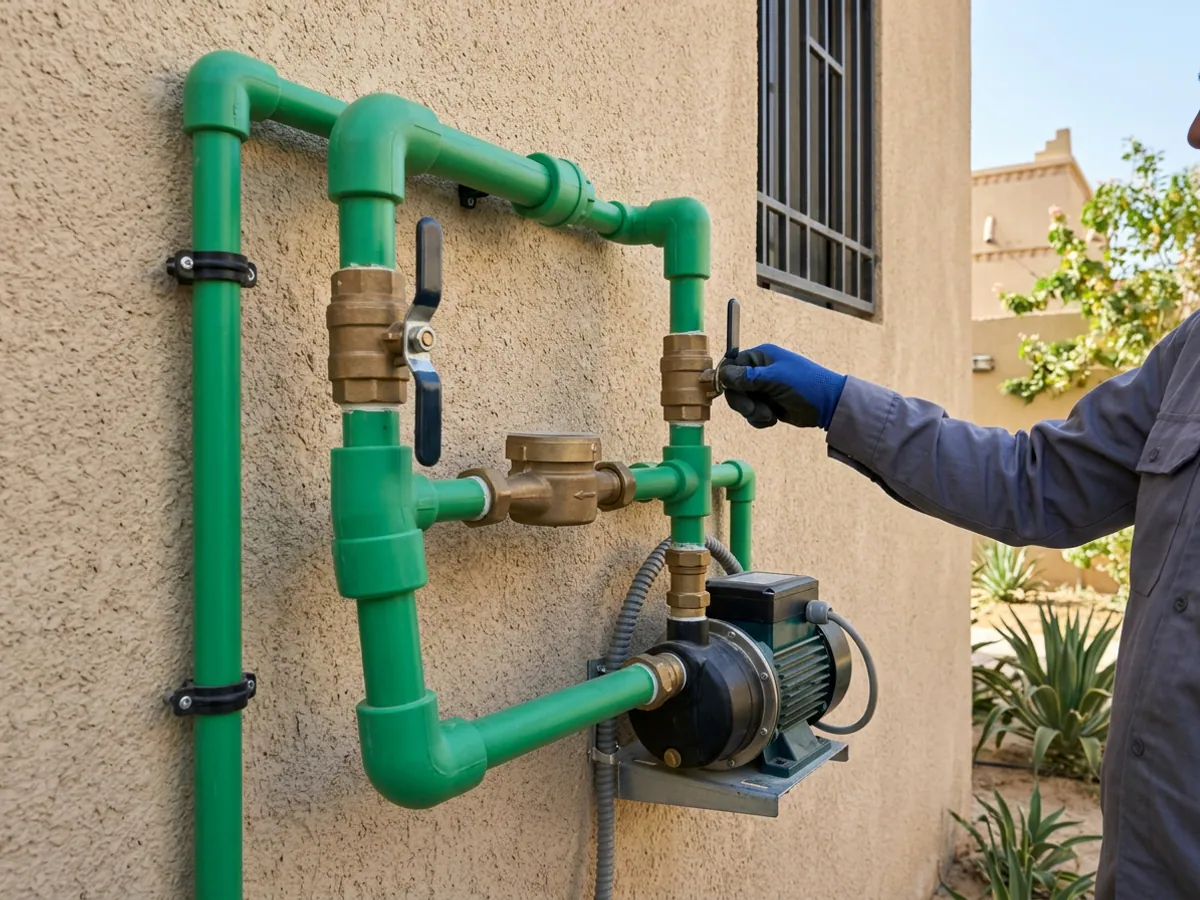
Post-meter feed -> Ground tank -> Cisterns -> Risers
Service Nature
Independent technical leak & waste diagnostics
Direct Contact
0590941982
Usage Changes vs. Hidden Plumbing Loss
Usage Changes vs. Concealed Leaks: Why Bills Jump Unexpectedly
When a monthly water bill arrives at two or three times its normal level, the first step is separating real consumption shifts from hidden plumbing losses. Seasonal factors—extended family stays, summer garden irrigation timers, frequent courtyard hosing, swimming pool top-ups, or stuck filtration backwash valves—can raise demand legitimately.
However, sharp sustained jumps—especially when the meter dial keeps turning at 3:00 AM with every tap shut—almost always point to a silent leak. Unlike an upstairs shower leak that stains ceilings quickly, a silent leak discharges straight into sandy soil around an underground tank or glides down the back of a toilet bowl into the sewer with zero visible dampness inside your rooms.
Consistent with public water-conservation self-check principles promoted by the National Water Company (NWC), checking internal floats, cisterns, and post-meter connections quickly prevents escalating tariff-tier charges. When basic visual checks do not reveal the culprit, our technicians trace your entire private network methodically.
A single malfunctioning ground-tank float valve or running concealed cistern can waste hundreds of cubic meters per month.
Progressive consumption tiers mean unchecked leaks multiply monthly bill totals rapidly.
Locating and fixing the physical leak source is the fastest way to restore normal meter readings.
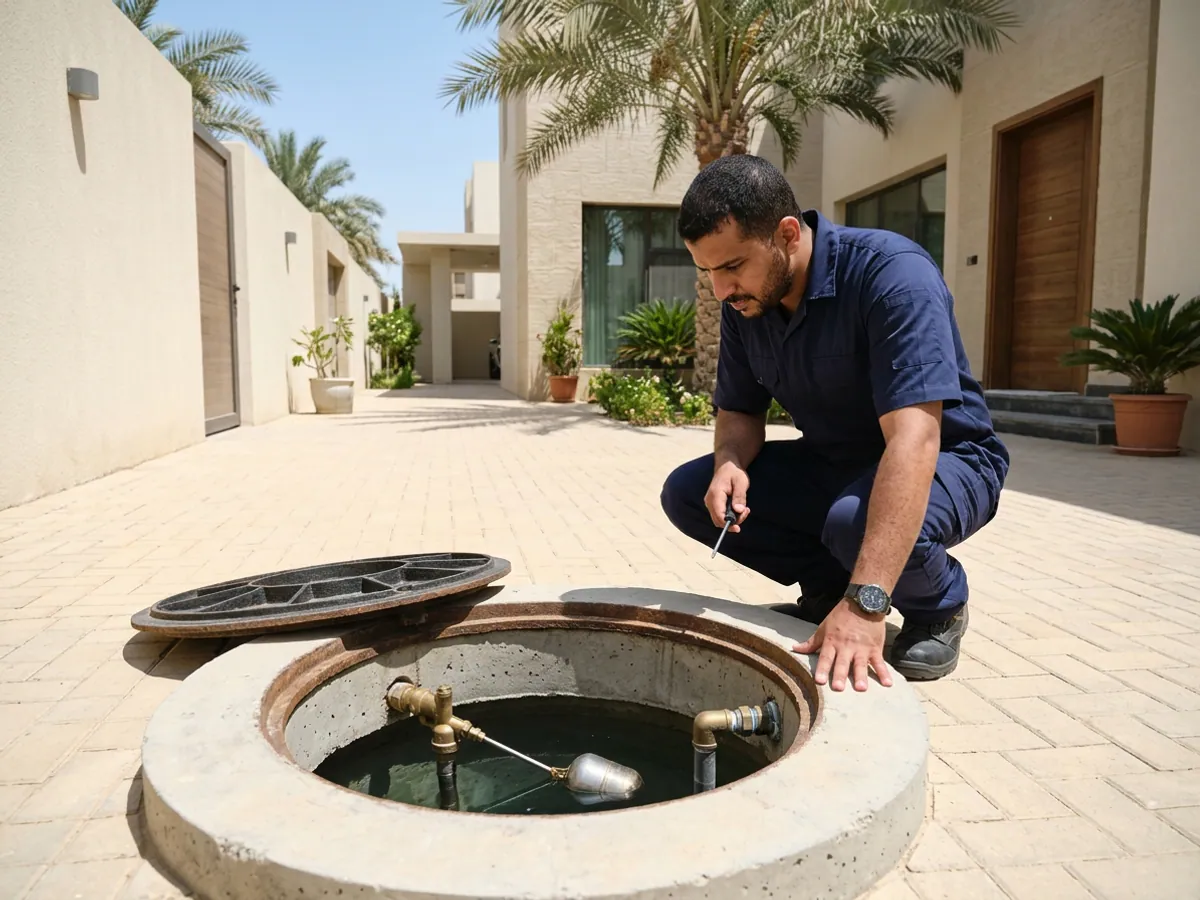
Checking underground tank float shutoff and neck joints—the #1 source of high-volume silent water loss.
Quick Checks You Can Try Right Now
Initial Homeowner Self-Checks Before Booking a Technician
Before scheduling a field visit, you can run these safe 15-minute checks to gather helpful clues:
1
10-Minute Zero-Use Water Meter Observation
Ensure all indoor taps, washing machines, and garden hoses are shut and your ground tank is full, then watch the small flow indicator on your exterior meter for 10 minutes.
Step Purpose: Continued dial movement confirms water is actively entering and escaping downstream.
2
Safe Above-Ground Visual Look Under the Tank Manhole Cover
Lift the courtyard cover carefully from above (never enter the tank and stay clear of pump wiring) to see or hear if the float valve continues trickling or overtopping the masonry neck.
Step Purpose: Spot stuck float valves—the single most common cause of sudden high bills.
3
Food-Coloring Dye Test in Toilet Cisterns
Add a few drops of food coloring into exposed cistern tanks (or press dry tissue against the back rim of wall-hung bowls) and wait 20 minutes without flushing.
Step Purpose: Color appearing in the bowl proves silent flapper/seal seepage straight to waste.
Nighttime municipal line pressure pushes past worn float seals, raising tank water into unwaterproofed blockwork necks where it drains silently into courtyard sand.
Physical Mechanism: Accounts for a massive share of sudden residential bill spikes; see Water Tank Leak Detection.
02
2. Underground Concrete Tank Shell or Cold-Joint Seepage
Cracks along tank floor-to-wall joints leak stored water outward 24/7, prompting the float valve to refill continuously.
Physical Mechanism: Confirmed objectively via controlled static water-level drop testing.
03
3. Silent Seepage in Concealed & Close-Coupled Toilet Cisterns
Calcified flush-valve seals or misadjusted fill valves overflow silently down internal overflow tubes into the WC pan.
Physical Mechanism: Wastes thousands of liters into sewer lines with zero floor puddles; see Bathroom Leak Detection.
04
4. Cracked Buried Courtyard Supply or Garden Irrigation Pipes
Settlement shear or compression-fitting failure on buried polyethylene lines downstream of the meter.
Physical Mechanism: Water escapes underground before ever reaching the storage tank; see Pipe Leak Detection.
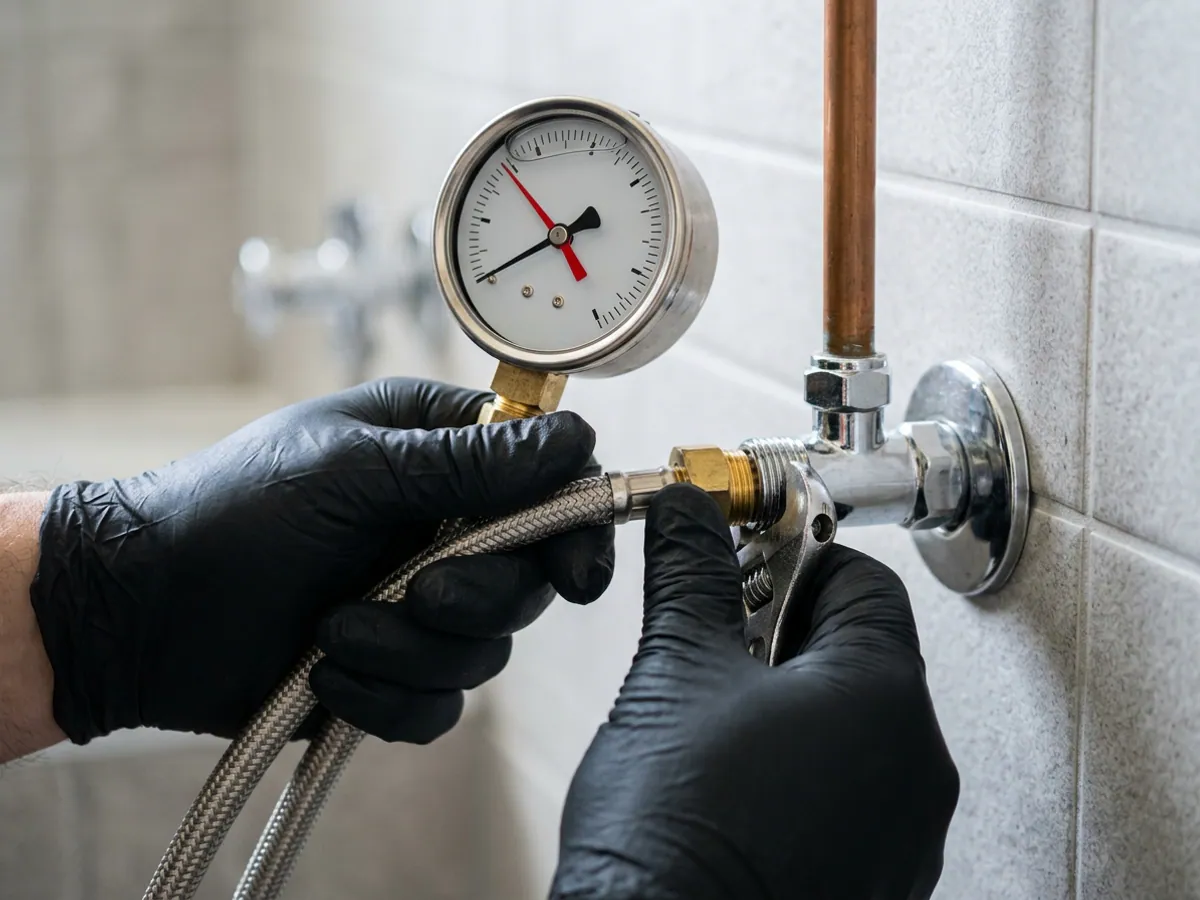
Check every bathroom cistern, concealed flush plate, RO purifier, heater relief line, and pressurized manifold branch.
Best suited for: Catching cumulative silent drips across multi-bathroom villas.
Practical limitation: Requires indoor access to all wet rooms and rooftop equipment.
Important Engineering Boundary:
Important boundary: The exterior utility meter itself belongs to the public water provider. Our technical inspection covers your private plumbing network starting immediately downstream of the meter.
Checking concealed wall-hung toilet cisterns for silent internal seal bypass.
Complete Honesty & Independent Scope
Transparent Scope Note on Independent Technical Inspections
We believe property owners deserve straightforward, ethical communication whenever dealing with unexpected utility bills:
Frequently Asked Questions About High Water Bills & Silent Leaks
Can I really have a major leak if there is not a single wet wall or ceiling spot inside my home?
+
Yes—in fact, the largest bill-driving leaks rarely wet indoor rooms. Water escaping an underground tank, a buried courtyard pipe, or a silent toilet cistern drains straight into sub-grade sand or the sewer pipe without touching interior plaster.
How much water can one silently running toilet cistern actually waste?
+
A steady, nearly invisible trickle past a worn flush seal can waste 200 to 600 liters per day (6 to 18 cubic meters a month from a single bathroom), pushing total household usage into higher tariff brackets.
Do you dismantle or test the official exterior water meter itself?
+
No. The utility water meter and street supply connection belong exclusively to the public water utility. Our inspection begins on your private post-meter shutoff, yard piping, storage tanks, and indoor plumbing.
Do you issue official reports accredited by the water utility to cancel or waive water bills?
+
We state clearly and honestly that Manar Al Sharqiya is an independent technical inspection service focused on locating physical leaks so you can stop water loss; we do not claim official NWC accreditation or bill-waiver authority.
Can an under-sink drinking-water filter cause a noticeably higher water bill?
+
Yes, if its automatic 4-way shutoff valve fails. Instead of stopping reject-water discharge once the small filter tank fills, a stuck shutoff valve sends a continuous thin stream down the kitchen drain 24 hours a day.
Once I fix a faulty tank float or pipe leak, how quickly can I verify the problem is solved?
+
Immediately—once repairs are complete, repeat the 10-minute zero-use meter check and compare 24-hour meter readings across two normal days to confirm daily consumption has returned to baseline.
Have another specific question about your property? Reach us directly by phone or WhatsApp.
Technical water leak detection and moisture diagnostics for villas and buildings in the Eastern Province, Saudi Arabia. Pinpoint leak sources before repair. Call 0590941982.
Diagnose water loss, float valve failure, neck-joint seepage, and groundwater infiltration in underground and rooftop tanks in the Eastern Province. Call 0590941982.
Differential diagnosis for bathroom water leaks in the Eastern Province: separate pressurized pipe faults, drain traps, cistern seepage, and tile joint failure. Call 0590941982.
Step-by-step 30-minute DIY home water audit for Saudi villas and apartments to check toilet flappers, RO filters, floats, and meters before calling a specialist.
Step-by-step 30-minute DIY home water audit for Saudi villas and apartments to check toilet flappers, RO filters, floats, and meters before calling a specialist.