When water drips into a lower-floor ceiling or blisters bedroom paint behind a shower wall, tearing up the entire bathroom is rarely the smartest first move. Manar Al Sharqiya performs differential bathroom diagnostics across the Eastern Province to isolate which of the five wet-area systems is actually leaking.
Clarifies localized plumbing fixes vs. true wet-area waterproofing failures
Common Symptoms
Ceiling Drips Below & Damp Shared Bedroom Walls
Diagnostic Method
Line Isolation + Controlled Drain & Joint Checks
Direct Contact
0590941982
Wet-Zone Complexity
Why Bathroom Leaks Demand Differential Diagnosis
A typical Saudi residential bathroom packs hot and cold PPR supply lines, recessed brass shower mixers, a concealed wall-hung cistern or floor WC pan, PVC floor traps, and grouted ceramic tiles into a few square meters. Regardless of which component leaks, escaping water pools on the structural slab or sand bed and exits through the same pipe sleeve or slab joint into the ceiling below.
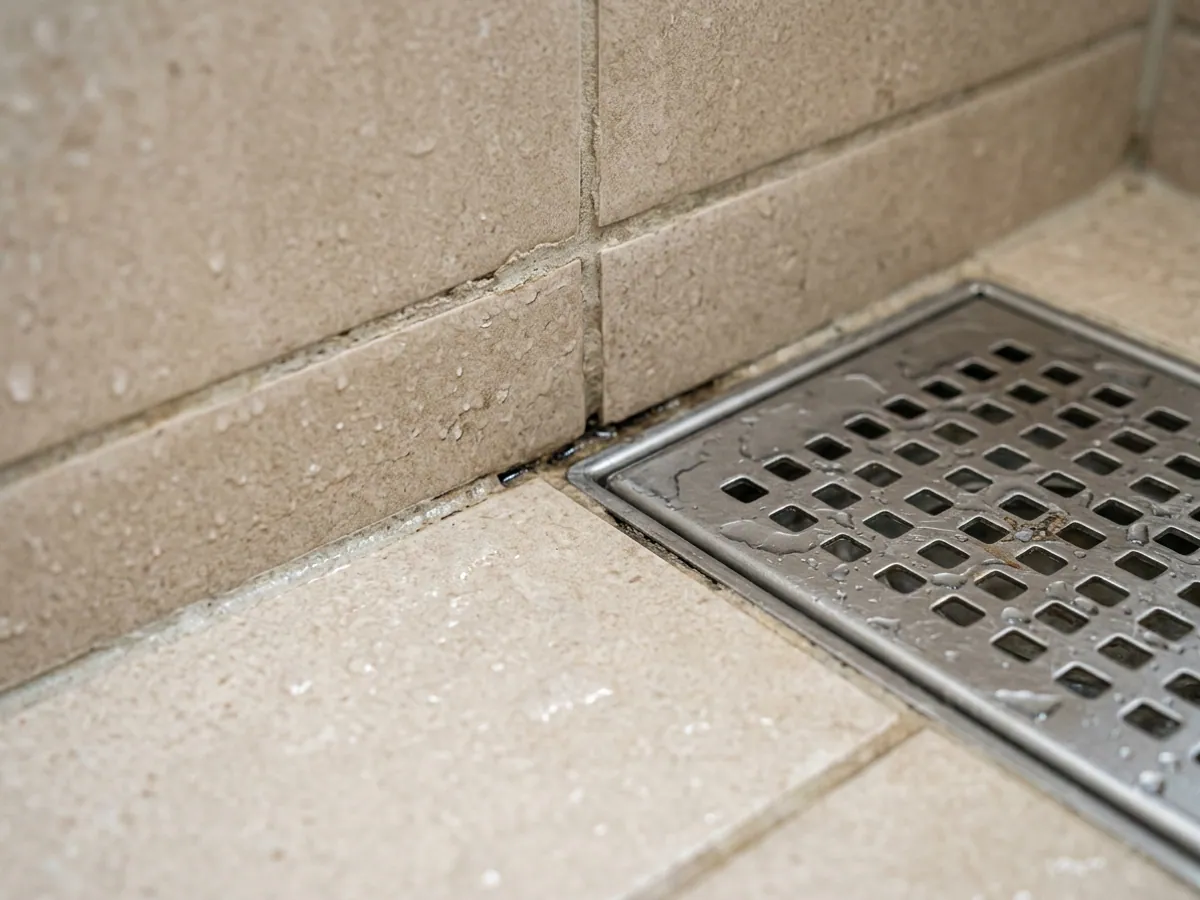
Without methodical testing, contractors frequently recommend gutting the entire bathroom floor and re-waterproofing when the actual culprit is an unsealed gap around the plastic floor gully riser, a leaking recessed bidet sprayer elbow, or acid-eroded shower grout.
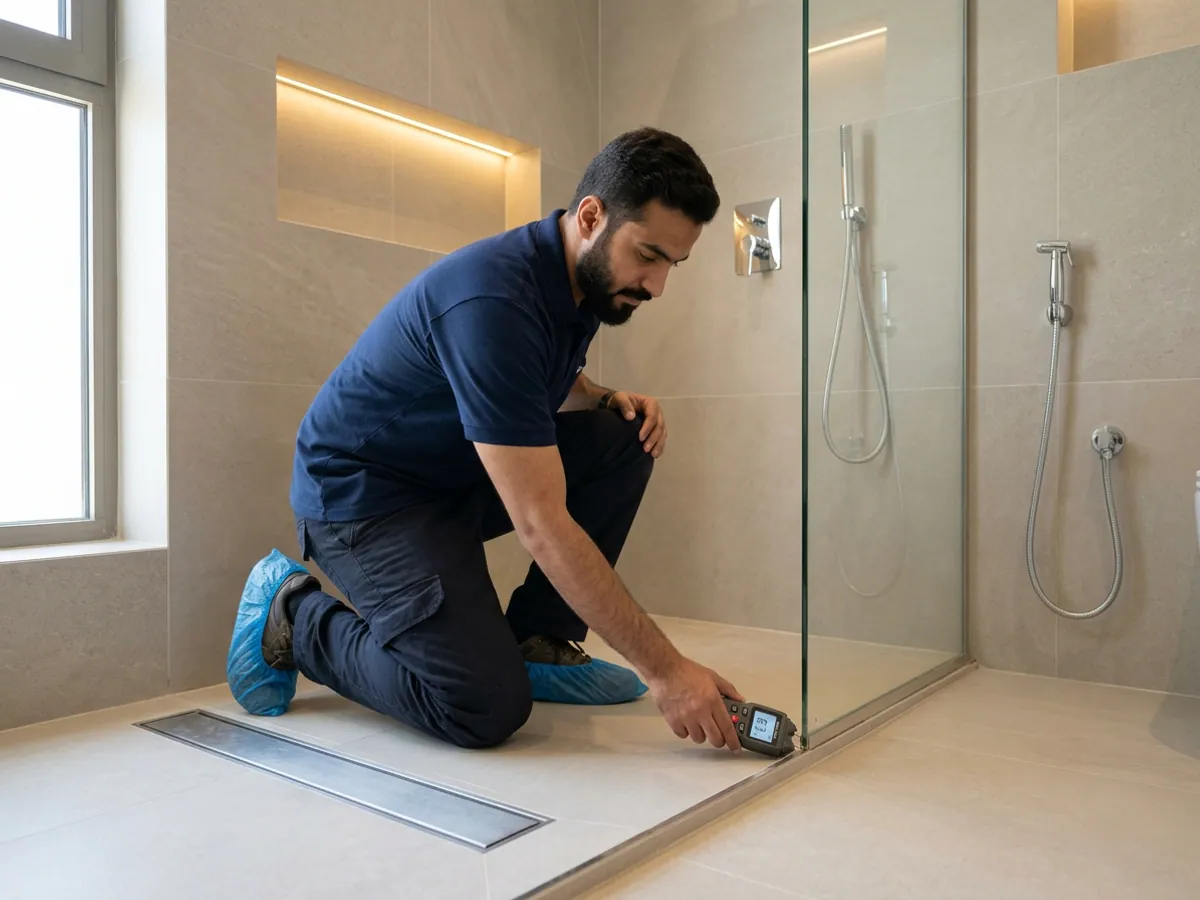
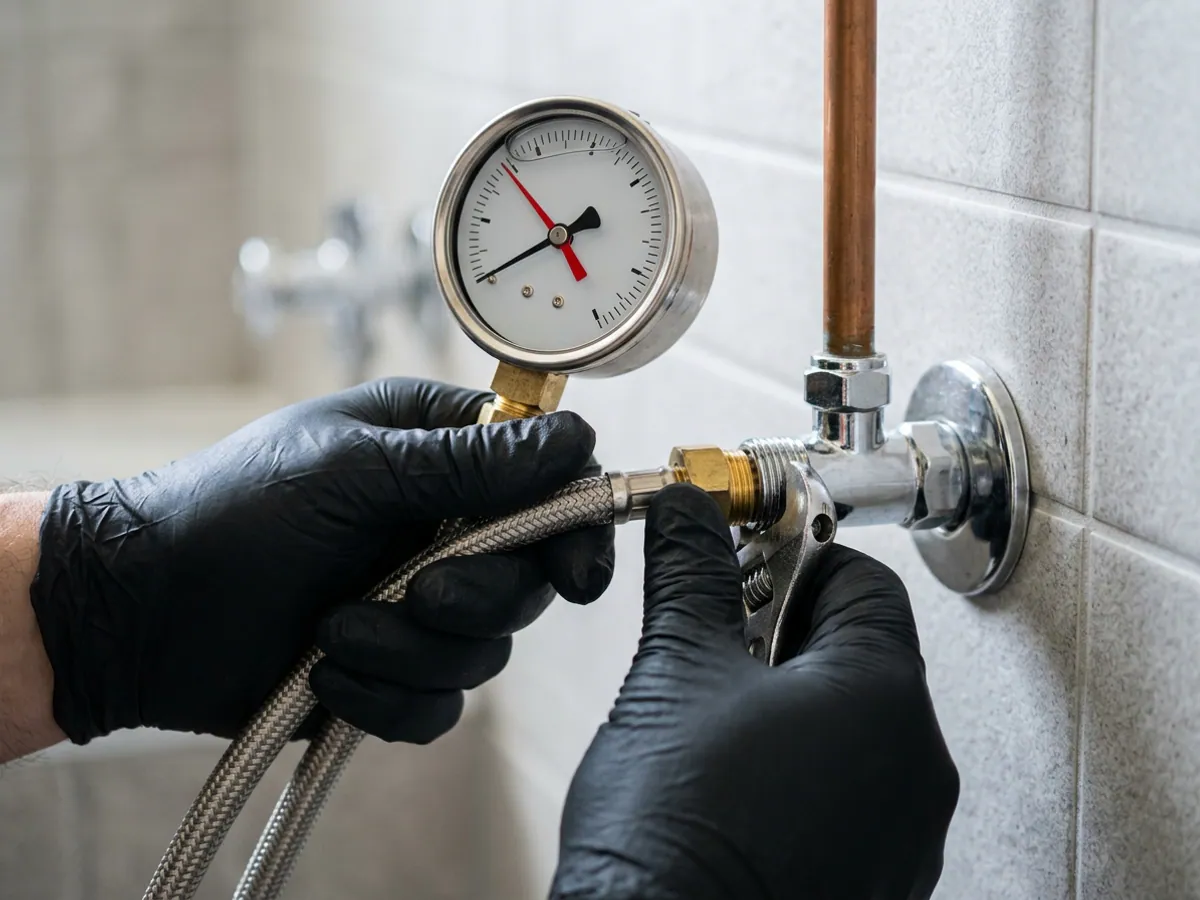
Manar Al Sharqiya isolates each hydraulic pathway step by step—verifying accessible fixtures and drain joints alongside pressurized supply circuits—so homeowners only authorize work that addresses the verified defect.
Prevents unnecessary full-bathroom tile demolition when a localized fitting or grout joint is responsible.
Provides clear technical answers for multi-story villas and upper/lower apartment neighbors.
Protects adjacent bedroom walls, wardrobes, and wooden door frames from chronic salt dampness.
Inspecting floor gully perimeter seals and tile grout joints before assuming buried pipe failure.
Where Bathroom Leaks Show Up
Warning Signs in Below-Slab Ceilings and Adjacent Bedrooms
Because glazed wall tiles block evaporation inside the bathroom itself, moisture frequently migrates downward or through shared masonry partitions:
Active Water Dripping or Yellow Halos on the Ceiling Below
High Diagnostic Priority
Droplets forming around suspended PVC drain pipes above a false ceiling or damp rings expanding across the lower-floor plaster.
What it may indicate: Indicates water crossing the slab penetration sleeve from an active supply leak, unsealed floor trap, or saturated shower bedding.
Peeling Paint & Salt Efflorescence on the Shared Bedroom Wall
Moderate Indicator
Blistering emulsion paint 20–80 cm above skirting level on the bedroom or hallway wall directly backing a shower or washbasin.
What it may indicate: Points to moisture wicking through shared concrete blockwork from a recessed mixer elbow or open shower wall grout—see in-wall leak detection.
Swollen Wooden Bathroom Door Jambs & Darkened Hallway Grout
Early Sign
Rotting or warping at the bottom of the wooden door frame accompanied by damp tile joints just outside the bathroom threshold.
What it may indicate: Classic sign of saturated bathroom sand bedding migrating laterally past an unsealed threshold.
Phantom Cistern Refilling or Continuous Ripple in the Toilet Bowl
Moderate Indicator
Hearing a wall-hung cistern hiss intermittently or noticing faint water movement inside the pan without flushing.
What it may indicate: Indicates a worn flush seal or fill valve—a leading cause of silent consumption spikes covered in high water bill diagnostics.
Five Distinct Failure Modes
Five Distinct Leak Pathways Inside Residential Bathrooms
01
Pressurized Hot & Cold Supply Lines
Concealed PPR pipes feeding washbasins, bidets (shattaf), electric water heaters, and shower mixers.
Physical Mechanism: Under 24/7 line pressure; leaks continue unabated even when the bathroom goes unused for days.
02
Recessed Mixer Elbows & Threaded Brass Extensions
Threaded nipple extensions connecting buried wall elbows to external mixer escutcheons and bidet valves.
Physical Mechanism: Weeping threads drip backward behind the chrome cover plate directly into hollow masonry blocks.
03
Concealed Cisterns & WC Pan Connectors
In-wall HDPE cistern tanks, flush-pipe rubber boots, and floor-mounted WC wax/rubber pan seals.
Physical Mechanism: Internal seal wear wastes clean water into the pan, whereas torn flush-pipe boots leak into the wall cavity on every flush.
04
Floor Gullies (Traps) & Branch PVC Drains
Mortar voids between the floor tile collar and the PVC gully neck, or loose solvent-weld drain joints.
Physical Mechanism: Seepage spikes shortly after showering or washing floors and subsides when water usage pauses.
How Different Bathroom Leak Sources Behave in Practice
Leak Source
Drip / Dampness Timing
Affects Water Bill?
Typical Resolution Scope
Pressurized Supply Pipe
Continuous 24/7 even when the bathroom is not in use.
Yes—causes steady meter consumption.
Targeted access at the pinpointed fitting for pipe repair.
Drain Trap / WC Connector
Intensifies shortly after flushing, basin use, or showering.
No—involves post-fixture wastewater.
Resealing or replacing the faulty trap collar or pan connector.
Internal Cistern Valve
Silent trickle into toilet bowl; rarely wets ceilings.
Yes—major driver of high water bills.
Servicing fill/flush mechanism through front access plate.
Shower Grout & Gully Collar
Appears after showers or wet floor washing.
No.
Drying substrate, sealing gully neck, and regrouting joints.
Repair vs. Re-Waterproofing
Plumbing Defect vs. Wet-Area Waterproofing Failure
Sub-tile waterproofing acts as a secondary containment pan beneath bathroom ceramics. When grout lines and floor-gully collars are properly sealed and supply pipes are intact, little water ever reaches that membrane. Resealing eroded shower grout and gully necks frequently resolves intermittent seepage without lifting tiles.
Full wet-area tile removal and cementitious re-waterproofing become necessary only when diagnostics confirm widespread membrane breakdown paired with loose, hollow tiles and a chronically waterlogged sand bed.
Frequently Asked Questions About Bathroom Leak Detection
Water is dripping into my downstairs bathroom ceiling—does that always mean a burst pipe?
+
No. Many ceiling drips below bathrooms trace back to an unsealed gap around the upper floor-drain collar, deteriorated shower grout, or a leaking WC pan seal rather than a burst pressurized pipe.
Can you inspect a wall-hung concealed toilet cistern without breaking wall tiles?
+
Yes. Concealed cisterns are inspected through their removable front flush-plate opening to check the fill valve, flush seal, and internal water level, paired with external moisture checks around the pan.
We stopped using the bathroom for 3 days, yet the ceiling stain is still wet—why?
+
If active dripping continues at the same rate while the bathroom is unused, a pressurized supply line or shattaf/mixer connection is likely leaking. Note that a heavily saturated sand bed can also release residual trapped water slowly for several days.
Why is my bedroom wall peeling when the bathroom side looks completely dry?
+
Glazed bathroom wall tiles prevent moisture from evaporating inward, forcing trapped dampness through the porous concrete blocks to evaporate through the painted bedroom plaster on the opposite side.
Will smearing silicone over wet floor grout permanently fix a shower leak?
+
Surface silicone peels quickly off damp, soapy floor grout and will not stop water escaping from a recessed mixer thread or loose gully collar. Proper repair requires drying and appropriate joint/collar sealing after verifying pipe integrity.
Does having a false ceiling hatch in the lower bathroom help the inspection?
+
Very much so. Looking above the gypsum or aluminum ceiling tiles lets the technician see exact slab penetration points and suspended PVC traps directly without cutting ceiling panels.
Have another specific question about your property? Reach us directly by phone or WhatsApp.
Technical water leak detection and moisture diagnostics for villas and buildings in the Eastern Province, Saudi Arabia. Pinpoint leak sources before repair. Call 0590941982.
Locate hidden kitchen water leaks behind cabinetry, RO water filters, dishwashers, floor traps, and concealed wall lines in the Eastern Province. Call 0590941982.